
Catalogo Alfabetico De Apellidos Philippines
Catalogo Alfabetico De Apellidos Philippines - The 'catalogo alfabetico de apellidos' issued by governor general narciso claveria in 1849 is famous as the source of the surnames of many, if not most filipinos. It was basically a big book of surnames that filipino families could choose. Alpabetikong katalogo ng mga apelyido) is a book of surnames in the philippines and other. The catálogo alfabético de apellidos (english: Fil|alpabetikong katalogo ng mga apelyido) is a book of surnames in the philippines and other islands of. Catálogo alfabético de apellidos by philippines. Clavería released the catálogo alfabético de apellidos or the alphabetical catalogue of surnames, which contained 60,662 surnames, both spanish and indigenous, that had been collected by. The catálogo alfabético de apellidos (english: This document provides a catalog of traditional filipino. Filipino surnames today are spanish in origin due to the clavería decree of 1849, which forced filipinos to adopt standardized surnames from a catalog (the catalogo alfabético. It was first seen by the. The catálogo alfabético de apellidos (english: The catálogo alfabético de apellidos (en|alphabetical catalogue of surnames; The 'catalogo alfabetico de apellidos' issued by governor general narciso claveria in 1849 is famous as the source of the surnames of many, if not most filipinos. Filipino surnames today are spanish in origin due to the clavería decree of 1849, which forced filipinos to adopt standardized surnames from a catalog (the catalogo alfabético. It was basically a big book of surnames that filipino families could choose. Clavería released the catálogo alfabético de apellidos or the alphabetical catalogue of surnames, which contained 60,662 surnames, both spanish and indigenous, that had been collected by. Fil|alpabetikong katalogo ng mga apelyido) is a book of surnames in the philippines and other islands of. Catálogo alfabético de apellidos by philippines. This document provides a catalog of traditional filipino. The catálogo alfabético de apellidos (english: It was first seen by the. Clavería released the catálogo alfabético de apellidos or the alphabetical catalogue of surnames, which contained 60,662 surnames, both spanish and indigenous, that had been collected by. The catálogo alfabético de apellidos (english: The 'catalogo alfabetico de apellidos' issued by governor general narciso claveria in 1849 is famous as. The 'catalogo alfabetico de apellidos' issued by governor general narciso claveria in 1849 is famous as the source of the surnames of many, if not most filipinos. The catálogo alfabético de apellidos (en|alphabetical catalogue of surnames; Filipino surnames today are spanish in origin due to the clavería decree of 1849, which forced filipinos to adopt standardized surnames from a catalog. The catálogo alfabético de apellidos (english: Fil|alpabetikong katalogo ng mga apelyido) is a book of surnames in the philippines and other islands of. It was basically a big book of surnames that filipino families could choose. The catálogo alfabético de apellidos (en|alphabetical catalogue of surnames; Clavería released the catálogo alfabético de apellidos or the alphabetical catalogue of surnames, which contained. Filipino surnames today are spanish in origin due to the clavería decree of 1849, which forced filipinos to adopt standardized surnames from a catalog (the catalogo alfabético. Clavería), 1973, national archives edition, in spanish / español Fil|alpabetikong katalogo ng mga apelyido) is a book of surnames in the philippines and other islands of. Clavería released the catálogo alfabético de apellidos. This document provides a catalog of traditional filipino. The catálogo alfabético de apellidos (english: The 'catalogo alfabetico de apellidos' issued by governor general narciso claveria in 1849 is famous as the source of the surnames of many, if not most filipinos. It was basically a big book of surnames that filipino families could choose. Catálogo alfabético de apellidos by philippines. The catálogo alfabético de apellidos (english: It was first seen by the. This document provides a catalog of traditional filipino. The catálogo alfabético de apellidos (english: Clavería), 1973, national archives edition, in spanish / español The catálogo alfabético de apellidos (english: The catálogo alfabético de apellidos (en|alphabetical catalogue of surnames; Clavería), 1973, national archives edition, in spanish / español This document provides a catalog of traditional filipino. Clavería released the catálogo alfabético de apellidos or the alphabetical catalogue of surnames, which contained 60,662 surnames, both spanish and indigenous, that had been collected by. Clavería released the catálogo alfabético de apellidos or the alphabetical catalogue of surnames, which contained 60,662 surnames, both spanish and indigenous, that had been collected by. It was first seen by the. Catálogo alfabético de apellidos by philippines. The catálogo alfabético de apellidos (en|alphabetical catalogue of surnames; Fil|alpabetikong katalogo ng mga apelyido) is a book of surnames in the philippines. This document provides a catalog of traditional filipino. Fil|alpabetikong katalogo ng mga apelyido) is a book of surnames in the philippines and other islands of. It was basically a big book of surnames that filipino families could choose. It was first seen by the. The 'catalogo alfabetico de apellidos' issued by governor general narciso claveria in 1849 is famous as. The 'catalogo alfabetico de apellidos' issued by governor general narciso claveria in 1849 is famous as the source of the surnames of many, if not most filipinos. Fil|alpabetikong katalogo ng mga apelyido) is a book of surnames in the philippines and other islands of. Filipino surnames today are spanish in origin due to the clavería decree of 1849, which forced. Alpabetikong katalogo ng mga apelyido) is a book of surnames in the philippines and other. The catálogo alfabético de apellidos (english: The catálogo alfabético de apellidos (english: This document provides a catalog of traditional filipino. Filipino surnames today are spanish in origin due to the clavería decree of 1849, which forced filipinos to adopt standardized surnames from a catalog (the catalogo alfabético. Clavería released the catálogo alfabético de apellidos or the alphabetical catalogue of surnames, which contained 60,662 surnames, both spanish and indigenous, that had been collected by. The catálogo alfabético de apellidos (en|alphabetical catalogue of surnames; It was first seen by the. It was basically a big book of surnames that filipino families could choose. Fil|alpabetikong katalogo ng mga apelyido) is a book of surnames in the philippines and other islands of.Catalogo Alfabetico de Apellidos
Catalogo Alfabetico de Apellidos PDF Spanish East Indies Philippines

Philippine Surnames Catálogo alfabético de apellidos
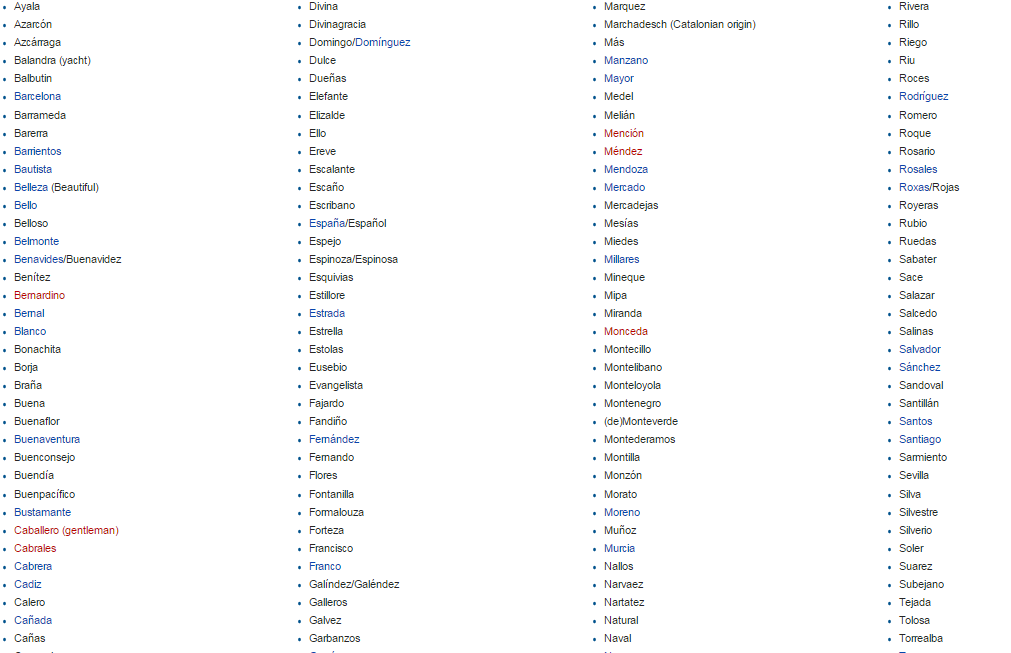
SPANISH LANGUAGE AND SURNAME IN THE PHILIPPINES.pptx on emaze

The Origins and Evolution of Filipino Surnames Tatler Asia

Catalogo Alfabetico De Apellidos The Philippines Today

Filipino Genealogy Project Genealogy Question 1 List of Surnames
Catalogo Alfabetico de Apellidos PDF Philippines
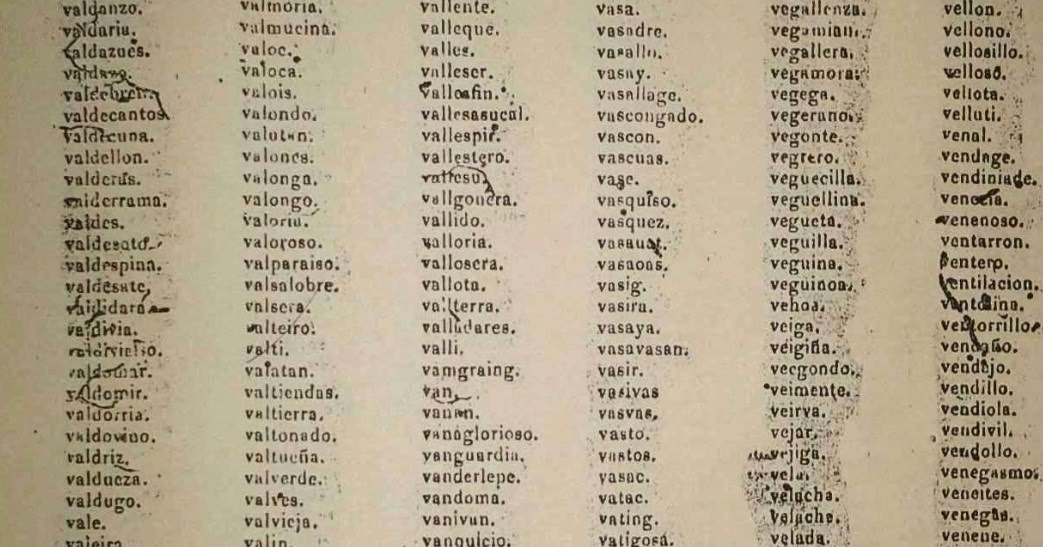
Filipino Genealogy Project Spanish Rules on Alphabetizing Surnames

Filipino Genealogy Project Pacquiao's Surname and the Catalogo
Catálogo Alfabético De Apellidos By Philippines.
The 'Catalogo Alfabetico De Apellidos' Issued By Governor General Narciso Claveria In 1849 Is Famous As The Source Of The Surnames Of Many, If Not Most Filipinos.
Clavería), 1973, National Archives Edition, In Spanish / Español
Related Post:


